



Our Strengths
We combine Texas A&M’s basin-scale geological expertise with Oklahoma State’s strengths in wellbore integrity and materials science to deliver full-spectrum assessments—from basin potential to area-specific risk. Our work transforms advanced research into practical, deployable solutions for industry.
About Us
The Earth’s subsurface offers solutions that can enable sustainable energy production and use. Geologic storage is the critical key component for both. ERGS will pursue integrative research that evaluates the socio-economic impact of storage of fluids and gases used as alternatives to fossil fuels to generate energy, such as hydrogen and compressed air, but also includes geological storage and extraction of methane for energy production. This Industry-University Cooperative Research Center will address subsurface storage volume and storage security for fluids related to energy production and greenhouse gas mitigation by pursuing research on storage capacity assessments, risking methodology for leakage and other disturbances to the public.
Our Mission
To address society’s future energy needs, the Earth’s subsurface offers solutions that can mitigate energy-related greenhouse gas emissions.
Our Vision
To address subsurface storage volume and storage security for fluids related to energy production and greenhouse gas mitigation by pursuing research in two primary areas: 1) storage capacity, and 2) risk related to leakage and other disturbances to the public.
Areas of Expertise
Texas A&M University
Fracture analysis and modeling
Resource assessment
Storage play analysis
Basin modeling
Risk analysis
Induced seismicity
Societal concerns and impacts
Tectonic analysis and deformation history
Wellbore drilling/completions
Rock/fluid interactions
Strategic planning & communications
Machine learning applications
Oklahoma State University
Wellbore cementing/orphan wells
Caprock and seal integrity
Seismic processing
Wellbore stability
Seismic inversion methods
Stakeholder communications
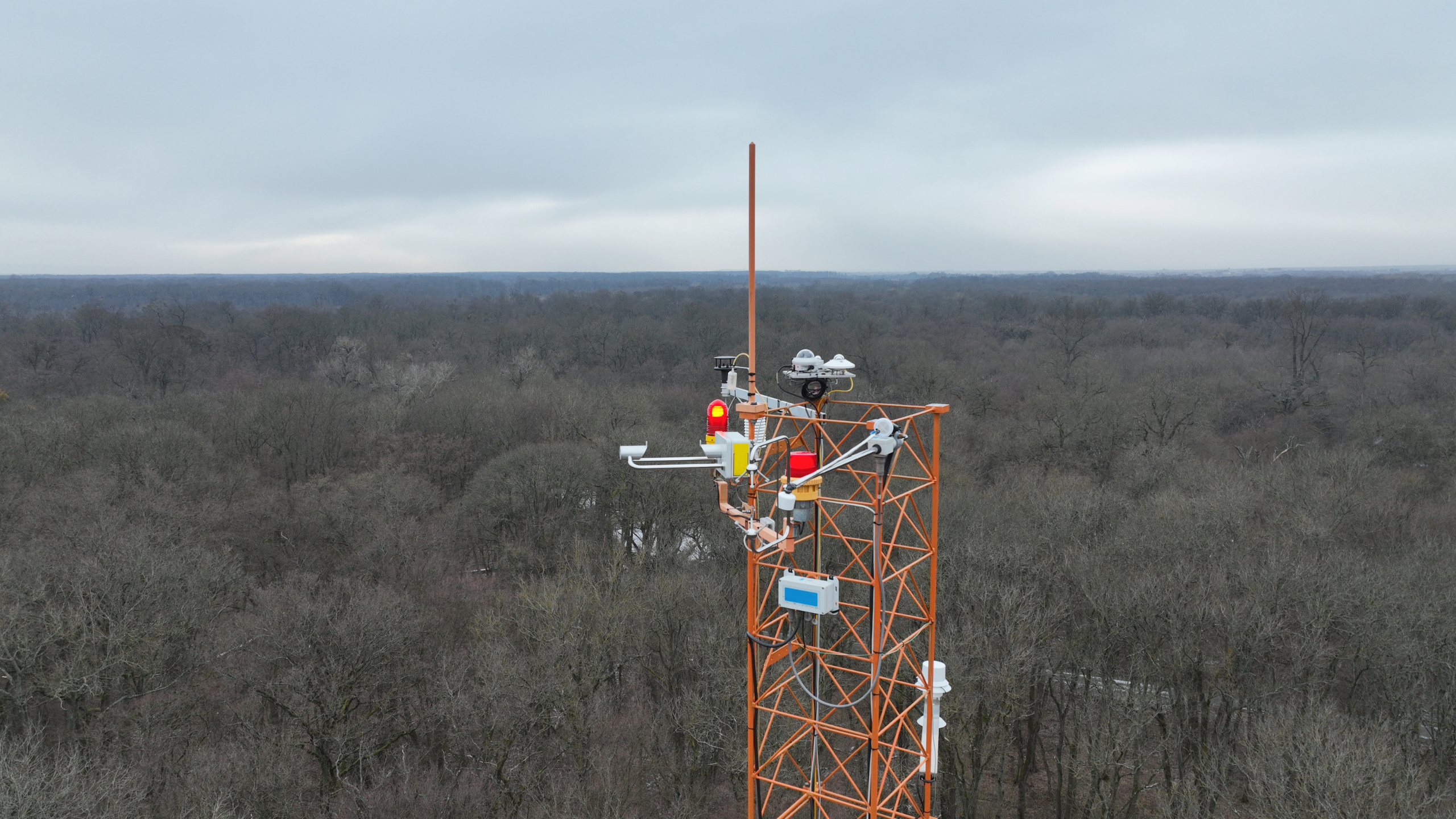
UAV measurement and assessment
Materials characterization at HP, HT, low pH


